
What are Christmas lights displays is a question many homeowners ask as neighborhoods begin to glow with festive color and sparkle. More than just brightening a home, these displays create atmosphere, highlight architectural details, and shape memorable seasonal experiences.
Unlike casually hanging a few strands of lights, true displays involve thoughtful design, planning, and often the expertise of professionals who can deliver polished, cohesive results that transform a property for the holidays.
Navigation Through This Seasonal Guide
- Illuminating the Basics: More Than Just Lights
- The Visual Psychology Behind Holiday Lighting
- Elements That Define a True Display
- How Lighting Integrates With Architectural and Landscape Design
- Styles and Types of Christmas Lighting Creations
- Behind the Scenes: How Exterior Christmas Lights Are Installed
- Modern Materials and Techniques Shaping Displays Today
- Safety, Durability, and Weather Resistance
- Seasonal Timing: When and How Displays Are Managed
- Upkeep and Troubleshooting Throughout the Season
- Professional Installation vs. DIY Strategy
- How Displays Affect Home Aesthetics and Neighborhood Character
- Planning Before Purchase: Factors That Affect Scope
- Inspiring Display Ideas for Different Home Types
- The Bigger Picture Behind Well‑Planned Christmas Light Displays
Illuminating the Basics: More Than Just Lights
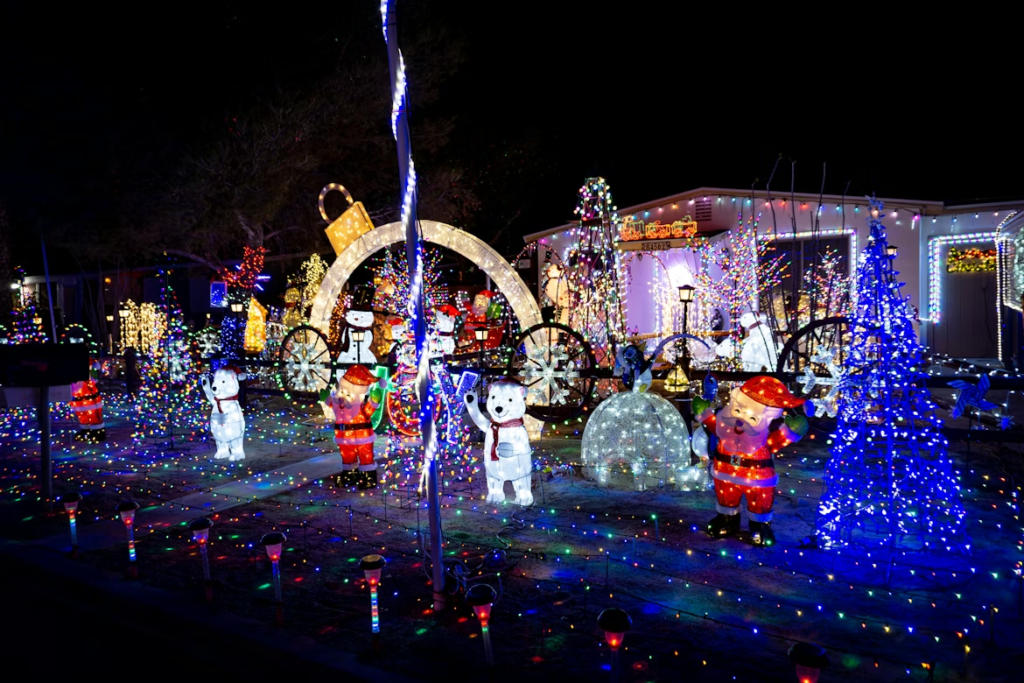
What are Christmas lights displays? At a glance, outdoor holiday lighting might seem like little more than strands of twinkle bulbs hung from roof edges or wrapped around trees. But truly effective Christmas light arrangements transform space in a way that reflects design thinking and technical precision.
Holiday lighting displays convey festive spirit by highlighting architectural features, emphasizing landscape structure, and creating visual rhythm that can be appreciated from the yard, street, and nearby viewpoints.
While many people use the term casually, the best installations feel intentional and balanced rather than random or haphazard. They are planned to look great, perform reliably in outdoor conditions, and create a memorable seasonal atmosphere.
The Visual Psychology Behind Holiday Lighting
Humans are innately drawn to light and color, especially in winter, when earlier nightfall leaves outdoor spaces dark far earlier in the day. Thoughtfully designed lighting:
- Guides the eye along inviting paths
- Draws focus to entryways and architectural detail
- Enhances contrast between dark and illuminated spaces
- Reinforces shapes and geometry that would otherwise be lost at night
By strategically placing lights, designers create visual interest without overwhelming the senses. This intentionality distinguishes true Christmas light displays from simple decorative lighting.
Elements That Define a True Display
What differentiates a lighting display from regular holiday decor? Several aspects:
- Cohesive Design Theme – Colors, textures, and intensities are chosen to harmonize rather than conflict.
- Measured Placement – Lights follow architectural lines, accentuate landscaping, and maintain uniform spacing.
- Integrated Power Planning – Electrical load is managed to prevent overloads and reduce risk.
- Weather‑Resilient Installation – Components are selected for exposure to rain, wind, and cold.
These elements contribute to a result that feels intentional and expressive, not random or improvised.
How Lighting Integrates With Architectural and Landscape Design
Effective displays complement the home’s inherent design rather than cover it up. For example:
- Rooflines and eaves are ideal for outlining geometric form.
- Trees and shrubs add height variation and depth when wrapped with lighting.
- Pathways and entry steps can benefit from low‑level accent lights that enhance both beauty and function.
This approach ensures lighting becomes part of the overall experience of the property rather than an afterthought. When homeowners plan exterior upgrades or landscaping renovations, considering how holiday lighting will work with new features helps avoid conflict and elevates the end result.
Styles and Types of Holiday Lighting Creations
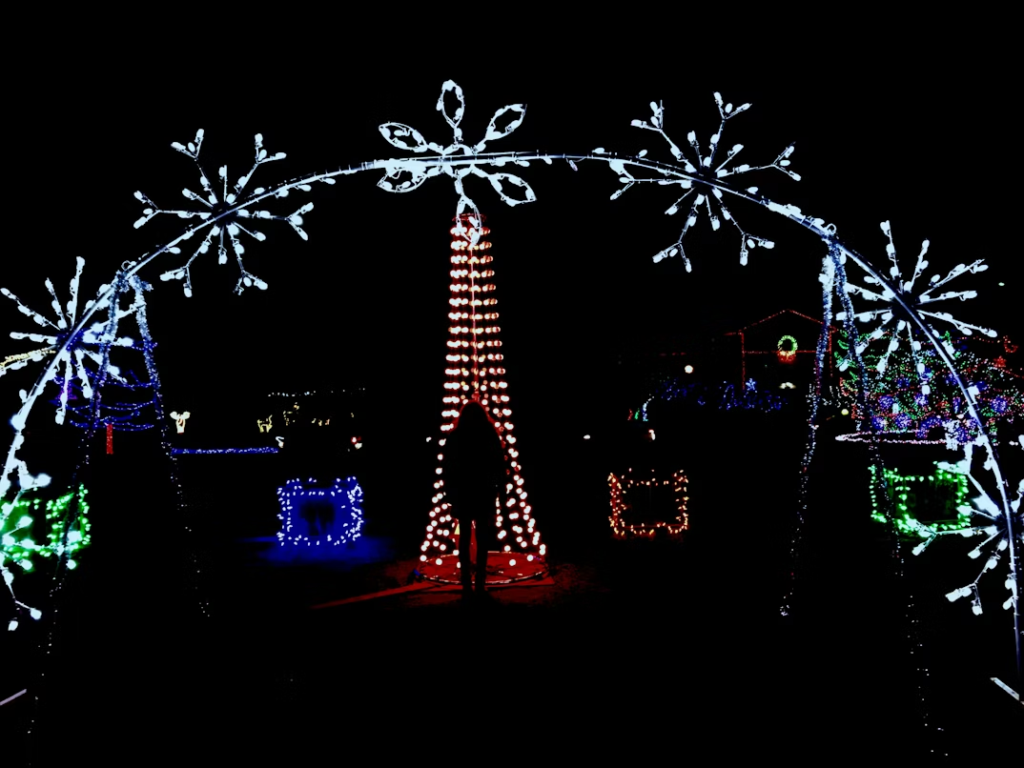
Holiday lighting can take many artistic forms. Different homeowners have different tastes, and styles may vary by neighborhood character, architectural style, and personal preference. Some common directions include:
Classic Roofline Emphasis
This style uses linear lighting to follow the lines of the roof, edges, gutters, and peaks. It’s clean, geometric, and highlights the home’s structure.
Natural Landscape Wrapping
Trees, bushes, and garden elements can be wrapped with strands or net lighting to create an immersive, layered visual feel.
Focal Points and Accents
Doorways, columns, and porch areas are great places for wreaths, garlands, and accent lighting that draw the eye.
Pathway and Garden Detailing
Small lights lining paths, driveways, or garden borders enhance safety and add dimension to the yard after dark.
Themed or Color‑Coordinated Designs
Whether warm white for a winter wonderland or multi‑color for a lively holiday look, lighting themes allow personalization that still feels sophisticated.
Together, these styles combine into cohesive presentations that resonate aesthetically and emotionally.
Behind the Scenes: How Exterior Christmas Lights Are Installed
Installing exterior Christmas lights is both an art and a technical process. It involves:
- Measuring and mapping the home for accurate light placement
- Choosing attachments that secure lights without damaging gutters or siding
- Routing power safely and discreetly
- Using tools and hardware designed for outdoor conditions
Professional installers often use high‑resolution aerial imagery to plan measurements and layout before ever arriving at the home. This precision reduces guesswork and speeds up installation, resulting in cleaner lines and fewer adjustments post‑installation.
Modern Materials and Techniques Shaping Displays Today
Lighting technology has come a long way. LEDs dominate modern displays because they:
- Use less energy
- Maintain consistent brightness
- Last longer than traditional bulbs
- Offer a range of color options
Commercial‑grade light strands hold up better in cold and moisture and resist flickering or burnout. Hardware such as clips, fasteners, and weather‑rated connectors supports both safety and longevity. Attention to these materials matters when displays are meant to last through winter conditions.
Safety, Durability, and Weather Resistance
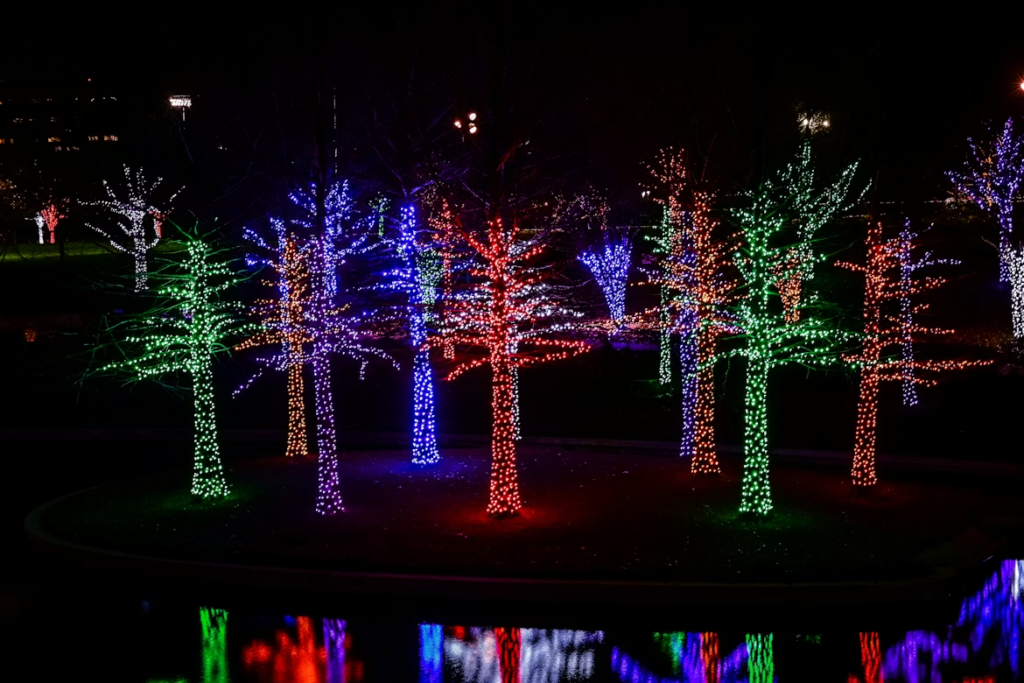
Outdoor lighting must stand up to the elements. Rain, snow, and wind all place stress on electrical components. That’s why weather‑rated connections, secure fasteners, and properly balanced electrical loads are so important. A well‑planned display reduces fire risk, prevents short circuits, and keeps bulbs securely in place even during storms.
Seasonal Timing: When and How Displays Are Managed
Many homeowners plan installation well before the busiest view periods, ensuring lights are tested and adjusted before peak holiday foot traffic. At season’s end, removal is also key to protecting lights and preparing them for storage.
Homeowners who want to enjoy a hassle‑free experience often rely on professionals who handle both installation and removal as part of a comprehensive service.
Upkeep and Troubleshooting Throughout the Season
Even well‑installed displays may occasionally need attention. Lights can flicker, connectors loosen, or branches shift after heavy wind. Knowing how to troubleshoot minor issues keeps the display looking its best. For many families, the convenience of professional maintenance throughout the season outweighs the effort of DIY fixes.
Professional Installation vs. DIY Strategy
Some homeowners enjoy the hands‑on aspect of decorating. Others prefer to hand the complexity off to experienced teams, saving time and avoiding ladder work and technical challenges.
Professionals bring advantages like:
- Accurate measuring from aerial or on‑site assessments
- Commercial‑grade materials
- Safety‑focused installation practices
- Efficient turnaround and tidy results
If you’re exploring options such as Christmas light installation in Alpharetta or holiday light installation in Sandy Springs, the support of trained crews ensures your vision is executed with precision.
How Displays Affect Home Aesthetics and Neighborhood Character
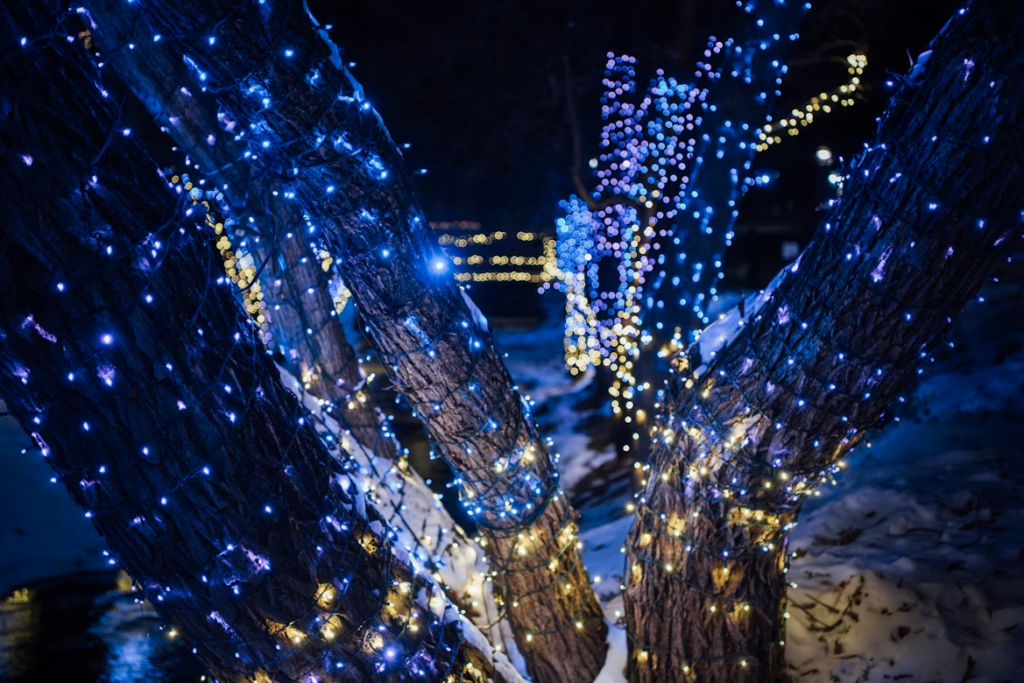
Well‑designed holiday lighting adds to curb appeal and contributes to a neighborhood’s festive atmosphere. Even subtle adjustments to amplification, color balance, or placement can shift a display from ordinary to memorable. This is especially true in communities where homes share architectural themes.
Exterior Christmas lights that are thoughtfully integrated enhance the property without overpowering it, providing joyful energy that neighbors and visitors appreciate.
Planning Before Purchase: Factors That Affect Scope
What are Christmas lights displays? More than just strings of bulbs draped over roof edges or trees, they are thoughtfully designed setups that highlight a home’s architecture, landscape features, and overall layout to create a cohesive and memorable holiday atmosphere.
The scale of a display depends on several key factors. Larger or more complex homes require more lighting and time, while extensive landscaping such as trees, shrubs, and garden beds adds layers and detail to the project.
Lighting technology also plays a role; whether you choose warm white LEDs, multicolor themes, or advanced dynamic effects, each option involves different materials and design needs. Access to power and installation logistics, including roof pitch and terrain, can also affect how the display is planned.
Discussing these elements with a lighting specialist early on helps create a clear plan tailored to your property, ensuring a stunning result and allowing for a custom quote before installation begins.
Inspiring Display Ideas for Different Home Types
Every home has unique opportunities. For example:
- Modern homes with clean lines: Emphasize architectural edges with linear lighting.
- Properties with mature trees: Combine tree wraps with ground uplights for depth.
- Traditional homes: Warm tones and classic colors highlight nostalgic charm.
These ideas help homeowners imagine possibilities without being limited by preconceived notions of holiday decor.
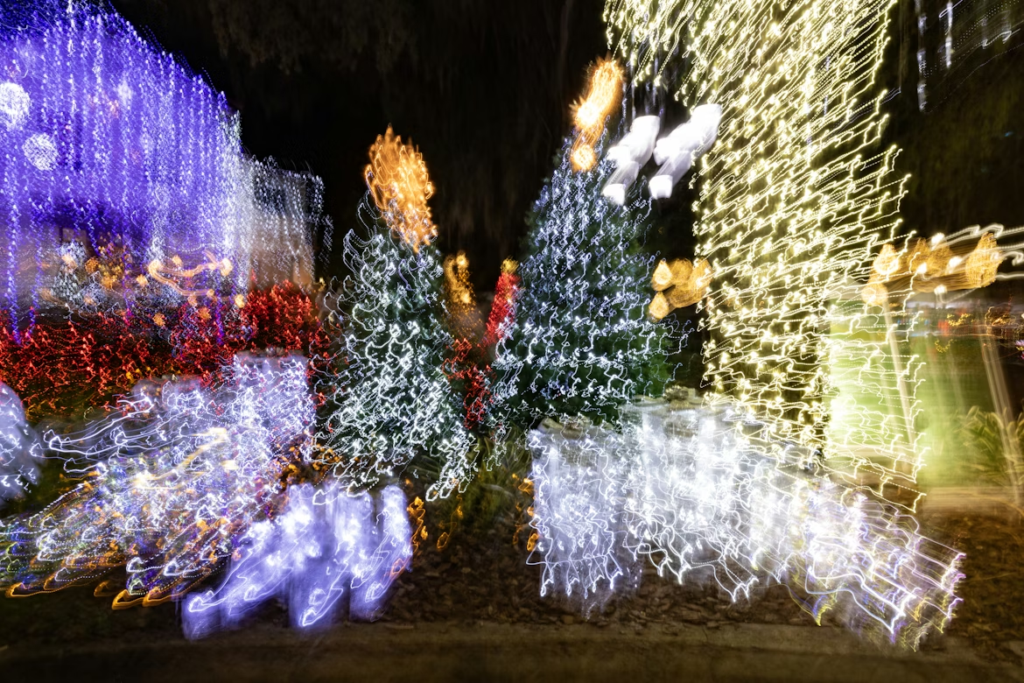
A Final Look at What are Christmas Lights Displays
Understanding what are Christmas lights displays means recognizing the combination of design, technology, and execution that brings seasonal vision to life. Whether rooted in tradition or inspired by modern lighting innovations, these installations enhance properties and enrich the season’s ambiance.
For homeowners who want to enjoy beautiful illumination without the planning, installation, and upkeep, professionals provide reliable support from start to finish, making the holidays brighter in every sense.